Where this came from
Why Lark exists
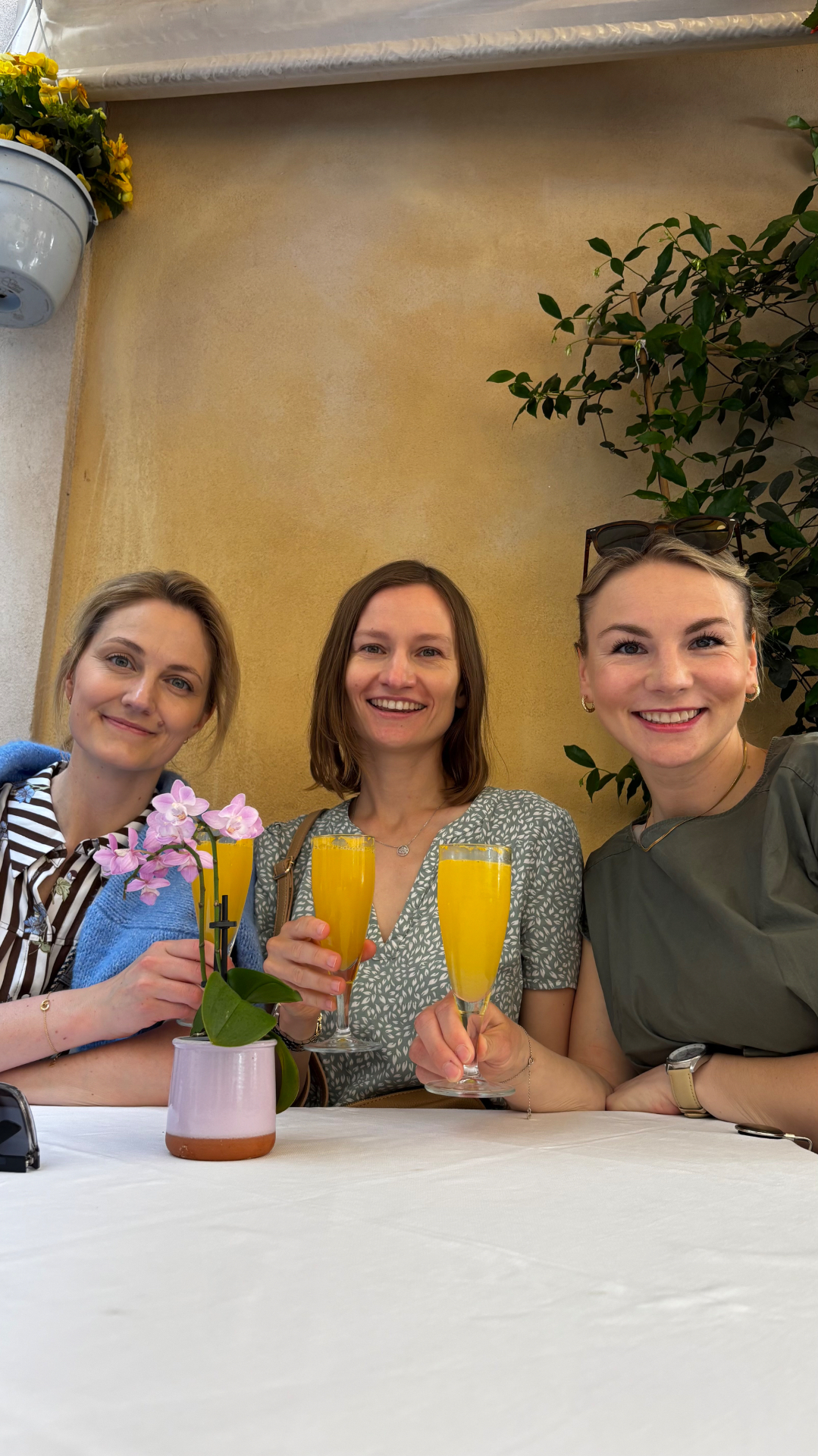
It started the way most good ideas do - a few glasses of wine, a friend's kitchen table, talking about how differently we all travel. Most ideas like that don't survive the next morning. This one did.
The name comes from 'going on a lark' - old-fashioned English for a spontaneous trip, taken just for the fun of it, no real plan behind it. That's the feeling I wanted to build around: less itinerary, more 'let's just go.'
I've organized non-family trips more times than I can count, across friend groups, work colleagues and trips for a function (for example a birthday or a bachelorette) where some people meet for the first time. The trip itself was always the good part. Getting everyone there was the tax.
I've been to 30-plus countries, and I was never the one chasing a full itinerary. Travel, for me, has always been about reloading - good food, the right people, enough open time to actually exhale. If wanting that weekend matters more to you than wanting to plan it, that's exactly who this is for. I'd rather it be good than perfect - the kind of good you get from someone who's actually been there, not someone promising flawless.
76%
Why Lark exists
Most group trips never leave the chat.
76% of group trips proposed by women never make it out of the group chat — only 24% actually happen. Successful trips take an average of 83 messages, nearly 19 hours, spread across 11 days. And 80% of women say they're the ones doing the most planning, versus 4% who think men are.
Too many decisions dilute the moment when everyone wants to go. Lark turns that energy into one clear plan, then gives the group something concrete to commit to.
Source: Talker Research for Discover Puerto Rico — survey of 2,000 U.S. women, June 12–18, 2026.